
Potter Place

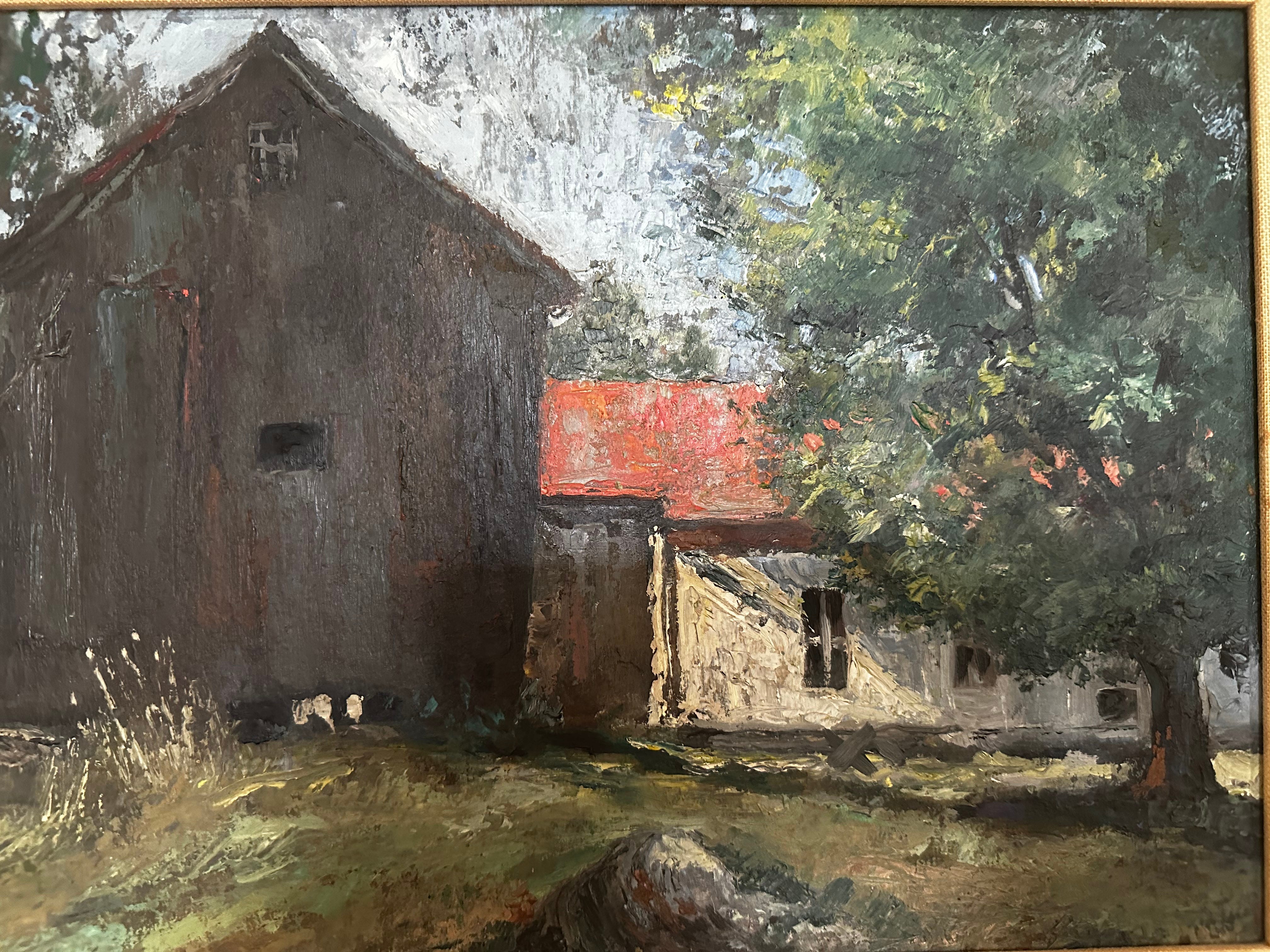
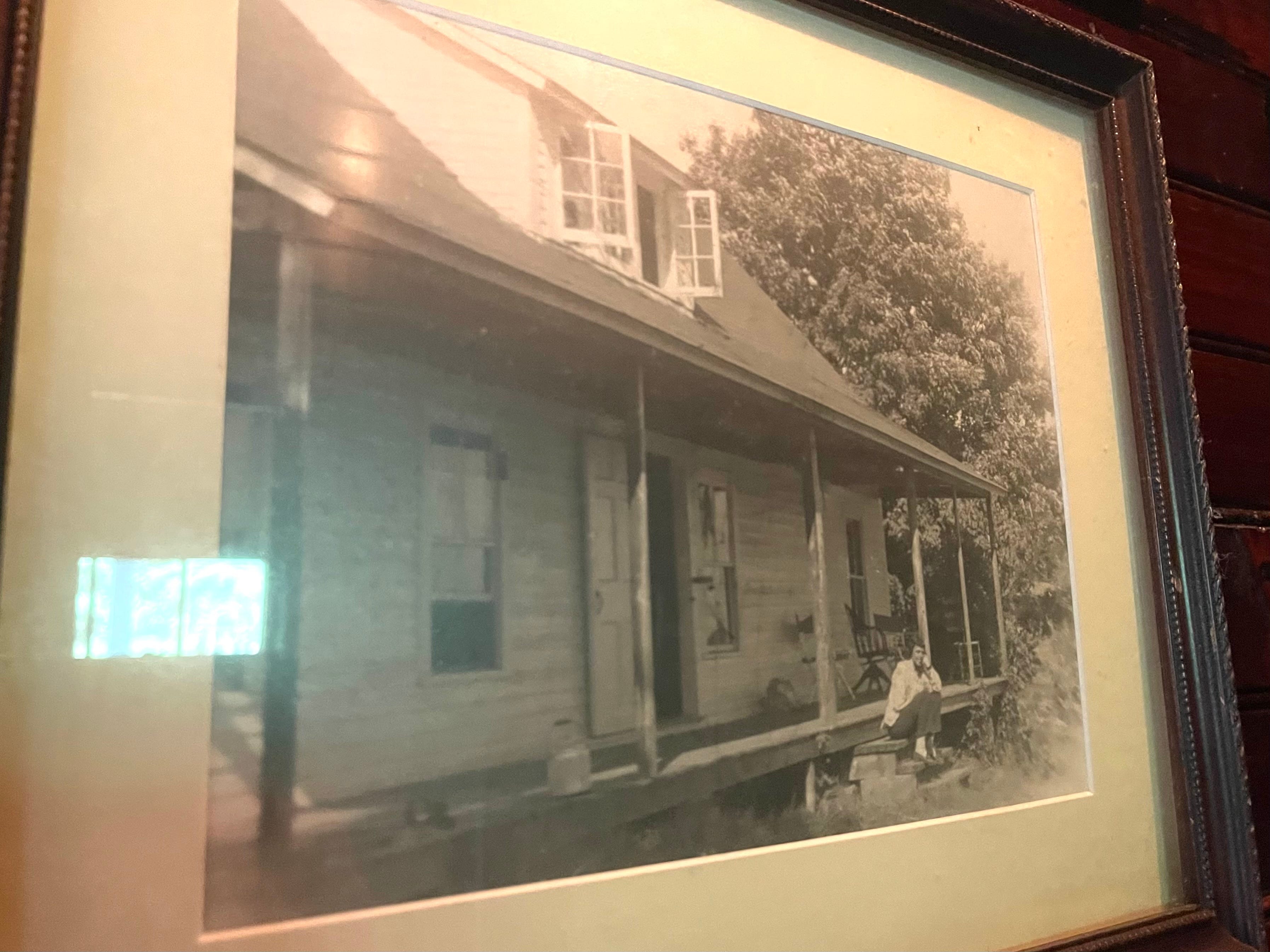
When I was small, really small, really young, - three or four years old - and we still lived on 148th Street and Broadway in NYC, my family would spend summers in a dilapidated house called Potter Place, situated on a dirt road in Jamaica, Vermont. The house was owned by an older couple who lived down the road in a much larger and better-maintained house, called Gilfeather. The owners, Kenneth and Helen Durant seemed, as I recall, to be a rather stern and austere couple. Kenneth was a stocky, grey-haired man with thick eyebrows who said little and spoke in a rumbling baritone voice, and Helen was precise and formal, with a slight but definite European accent.
I was too young to care to much about their personalities, nor was I curious about how my parents knew them or why they let us stay in the house. All I remember was loving the time we spent there, happy to walk barefoot in the grass, happy to play in the sand box my father built for me in the front yard, happy to explore the small stand of maples at the end of the driveway, happy to go to sleep to the sound of crickets and wake up to the sound of chirping birds.
Later, when I was older, I found the back story to be both fascinating and crucial to the course my life and my family’s life would take over the next several decades.
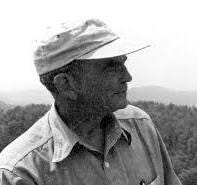
My mother was born and raised in Cleveland, Ohio, the daughter of a wealthy manufacturing executive and his wife, a Cleveland aristocrat. She was a first class equestrian and attended private elementary school in Cleveland, boarding school in the Northeast and then Sarah Lawrence College in Bronxville, NY.
One of her professors at Sarah Lawrence was a poet name Genevieve Taggard.
Taggard had a profound impact on my mother. Her beliefs and her willingness to discuss them led my mother to embrace ideas and that may have germinated in her as a young woman, but which she had never heard articulated before. Those ideas and beliefs - about racism, poverty and capitalism - led her to take actions that caused a dramatic split between my mother and her family.
When she graduated from Sarah Lawrence, in 1948, she moved to Washington, DC and took a job as a teletype operator at TASS, the Soviet news agency. The man who ran the US office of TASS was Genevieve Taggard’s husband. His name was Kenneth Durant.
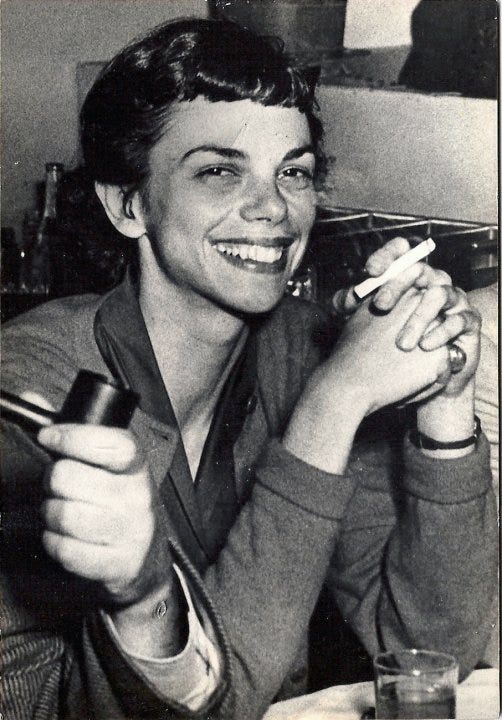
Around the same time, my grandfather (my mother’s father) took a job as a special assistant to the Secretary of Commerce, running the Office of Industry Cooperation. Shortly thereafter, a congressman from one of the Dakotas got wind of the connection between my mother and her father, and predictably, made a stink that caused my grandfather, despite the protestations of the Secretary and President Truman, to resign and simultaneously disavow his daughter (my mother). There was a flurry of newspaper articles that painted my grandfather as a dedicated patriot and my mother as a passionate but gullible girl who had somehow been convinced to embrace godless communism. One headline I saw called her the “Red Deb.”
My mother and I never discussed this time in her life, but I imagine it must have been excruciating for her. One thing she definitely inherited from my grandfather was a genuine abhorrence of publicity of any kind.
Despite the publicity, and the split with her family, my mother remained in Washington, and continued to work at TASS.
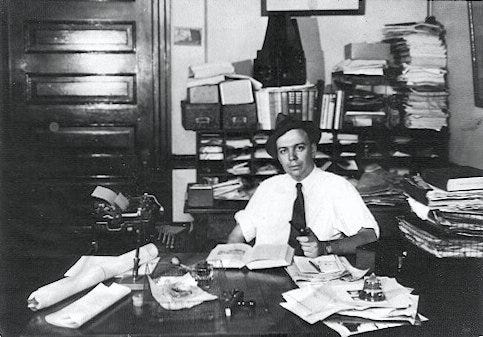
My father was also working in Washington at the time, as an editor of The Daily Worker, the official newspaper of the American Communist Party. He was 20 years older than my mother, from Mobile, Alabama, and had spent much of his time before World War 2 organizing farmers and mineworkers in the south. (He also testified before a Congressional committee researching the plight of the coal miners and ran for state office in Alabama on the Communist Party ticket.)
They met. I don’t know the details. I imagine it was either at a really boring meeting of passionate lefties (and FBI infiltrators) arguing over the amount of steel America was sending to western Europe, or at a Polish embassy party getting drunk on Slivovich.
They got married. In 1952 I was born, followed by my sister in 1953. We had moved to New York City. My father continued his work with The Daily Worker. My mother took care of her children and worked sporadically as a secretary for various left wing folks.
Genevieve Taggard had passed away in 1947. Kenneth Durant remarried, to a film editor named Helen Van Dongen. Van Dongen, who was Dutch, had worked with Sergei Eisentstein in the 1920’s and and after emigrating to the US, edited several important documentaries, including Robert Flaherty’s The Louisiana Story.
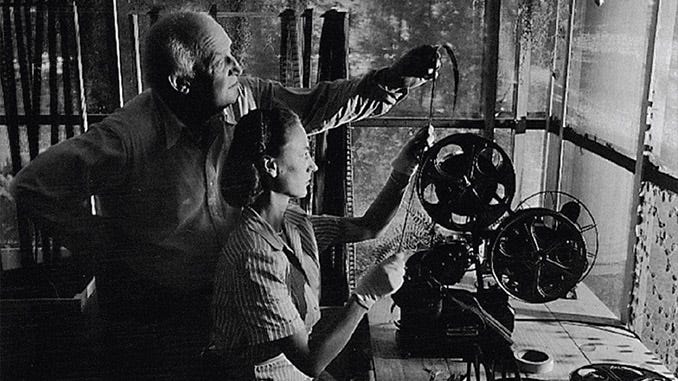
Kenneth and Helen moved permanently to Vermont, to the house called Gilfeather, on the same dirt road as Potter Place. My parents were frequent guests.
In 1956, as a result of the failed Hungarian Revolution and the Soviets’ vicious reprisals, my father resigned from the Party, and my parents said goodbye to the friends and co-workers with whom they had marched and drank and speechified for all those years, and moved to upstate New York. (In later years, my father, who was still passionate in his progressive beliefs, but employed more mainstream channels to promote them, always said that the only thing he regretted about leaving “the Party,” was that he felt he was deserting those friends.)
Memory is a tricky thing. My memory tells me that we visited the Durants and Potter Place every summer until we left New York and that I was sentient and fully conscious for all those visits. But of course, at most, I would remember the summers of 1955 when I was three and 1956, when I was four. Did we stay at Potter Place after we moved to the Adirondacks? Perhaps, but I don’t think so. My father was busy at the newspaper (See “Backyards” for a description of our life in Warrensburg) and there were now four kids to take care of. We definitely visited the Durants but I don’t believe we spent any more summers at Potter Place.
That being the case, it’s even more remarkable how rich my memories are: the sandbox my father built for me in the front yard, the rain storm that came up suddenly as I was playing in that sandbox one morning before anyone else was up, the windup Victrola we found in the attic, the spiders in their web outside my bedroom window, the ridge behind our house that opened up into a meadow with yet another ramshackle farm house in the distance.
My brother sent me this photo of my mother, sitting on the steps. As I said, ramshackle
!As I grow older, and I increasingly reflect on the events that come back most strongly, I’m becoming aware that rural life - life in nature - is what has had the profoundest impact. This is not what I would have expected when I moved to New York City n 1973. At that point in my life, I never wanted to see anything but tall buildings and subways and crowded sidewalks. (Stay tunedfor that chapter.)
Here’s a song I composed that is based on my memory of waking up before everyone else and tiptoeing outside to play in the sand box. The video is one image. Its an oil painting of the house by Fred Ellis, a friend of my parents who must have come to stay with us at some point.
Some housekeeping…
If you can’t find the newsletter, check your spam folder. And please mark this address as ‘not spam.’ If the newsletter isn’t in your spam folder, either, you should look in the Promotions tab.
You can always see everything on the website.
Thanks for reading and listening, and please tell a few friends if you feel like it.
Amazing, Robin , to discover this today. Great passions and political DNA melded into your genes. Can’t wait to read more.
What a wonderful piece of writing. You never used to talk much about your past, but then neither did I. I’m so happy that you’re doing this and that you’ve invited me. All the best.